
A looksmaxxer’s shortcut to a chiseled jawline has proved that the internet is willing to try anything and everything in the quest for a sharper face.
The rise of the “looksmaxxing” trend has intensified the obsession with looks to the point where people have turned it into a full-blown DIY project.
The only problem is that these at-home DIY hacks are now borrowing medical procedures that are not supposed to be performed outside a doctor’s office.
A looksmaxxer’s shortcut to a chiseled jawline has proved that the internet is willing to try anything and everything in the quest for a sharper face
Image credits: hexumlite/X
A video shared by looksmaxxing influencer hexumlite captured the use of an orthodontic device to change the shape of the upper jaw.
The device, known as a maxillary expander or a palate expander, is used to widen the upper jaw by gently applying pressure to guide one’s teeth and jaws to the desired position.
Alongside the video of the device being adjusted, hexumlite wrote, “Social media looksmaxxer is breaking his maxilla in half with an appliance and expanding it with a wrench. He filmed and posted a video of himself making the first turn today.”
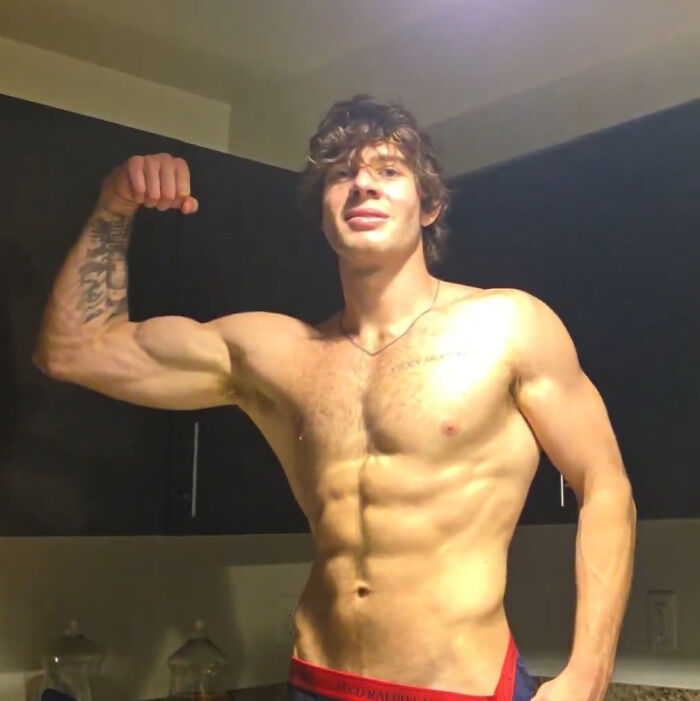
Image credits: hexumlite/X
Experts explained that these devices are most commonly used among children and youngsters.
“A palatal expander is an apparatus used in the oral cavity to modify the width of the upper jaw,” Dr. Nitzan Kenig, a Spain-based plastic surgeon, told Bored Panda.
“The best time to use these types of devices are during younger ages, around 7 years of age, when the facial bones are still developing,” he added.
Netizens had wild reactions to hexumlite’s video, claiming it’s “all for p*ssy and female validation.”
“Imagine tightening your maxilla-expander just a little too much and your head splits clean in two. Rather you than me,” one said.
Another wrote, “All this just to be loved…”
Experts explained that these devices are most commonly used among children and youngsters
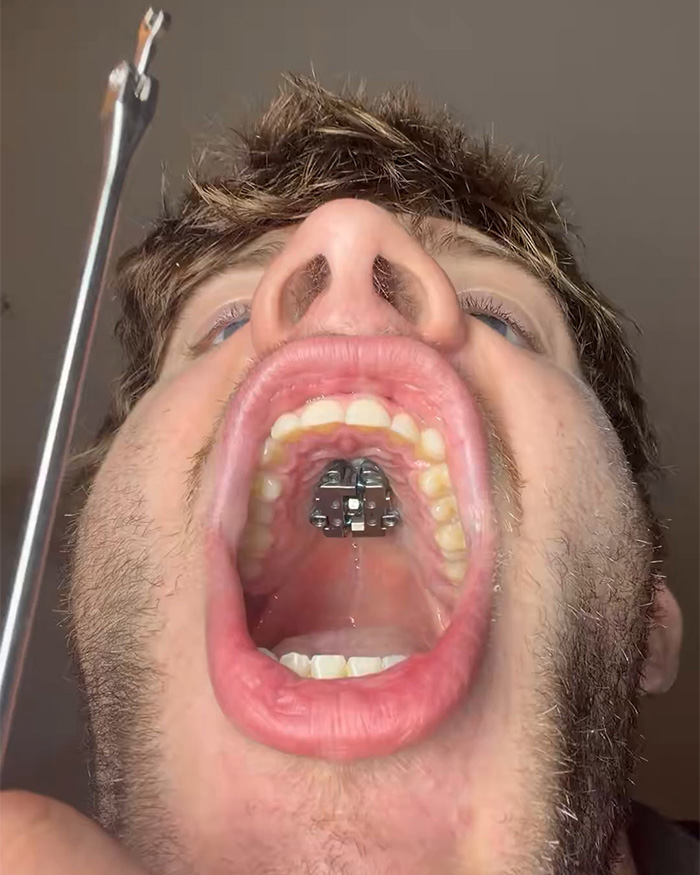
Image credits: hexumlite/X

Image credits: game_chanja

Image credits: WaitWot18903
In medical settings, these palatal expanders are not particularly designed for cosmetic enhancement. They are generally used in patients with a narrow bite, improper contact between the back teeth, or crowding that cannot be corrected with braces alone.
“In these cases, the goal is to create enough space in the upper jaw so the teeth can align properly and the bite can function as it should,” Dr. Izbel, a board-certified dentist in Turkey associated with Longetiva, told Bored Panda.
Social media looksmaxxer is breaking his maxilla in half with an appliance and expanding it with a wrench
He filmed and posted a video of himself making the first turn today.
What has gotten into people’s minds??
Should people be trying to improve their life or looks? pic.twitter.com/Wna37dLp2p
— hexumlite (@hexumlite) May 27, 2026
These devices are mainly included in the treatment for children and teenagers, as their bones are still developing and therefore easier to guide, she explained.
In adults, however, the anatomical response to palatal expansion would be significantly different from what is seen in younger patients.
“The mid-palatal suture in adults is typically fused and far more rigid, meaning standard orthodontic expanders are unlikely to achieve the same skeletal changes seen in growing patients,” she emphasised.
“As a result, in adult cases, patients should not expect dramatic alterations in facial structure from an expander alone.”
Influencers are likely overstating claims when they market these devices with the guarantee of significantly reshaping the jawline
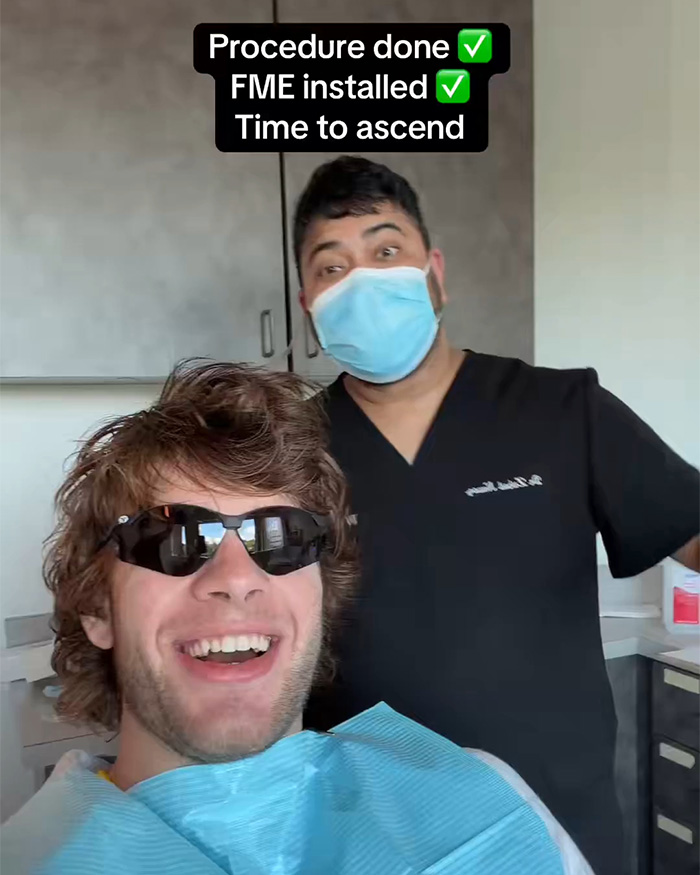
Image credits: hexumlite/X
Dr. Izbel said one might notice minor increases in dental arch width and subtle soft-tissue adaptation.
However, influencers are likely overstating claims when they market these devices with a guarantee of significantly reshaping the jawline or achieving noticeable aesthetic transformation.
Despite their risks, these devices are gaining popularity online because of social media-driven aesthetic ideals, which heavily emphasize sharp jawlines and facial symmetry.
“In recent years, there has been a growing focus on the jawline in discussions around facial attractiveness, particularly among men,” Dr. Izbel said.
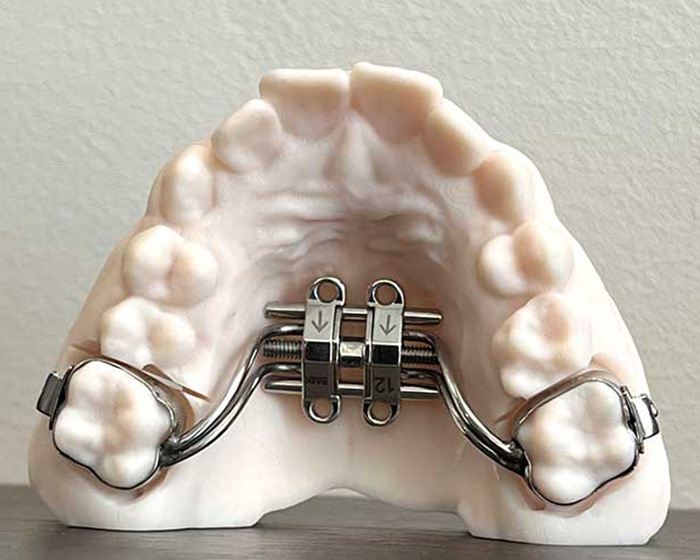
Image credits: Airway Orthodontics
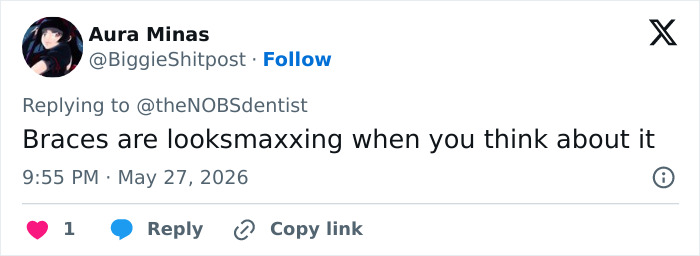
Image credits: BiggieShitpost
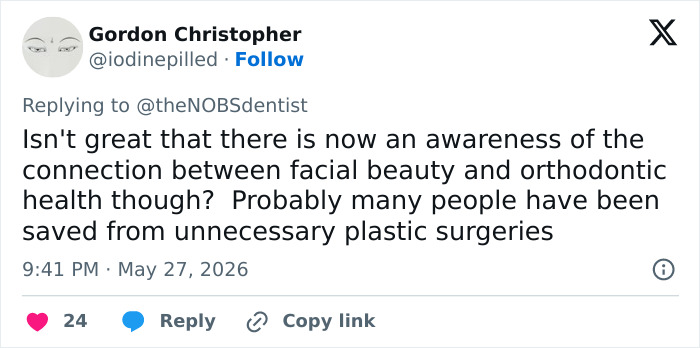
Image credits: iodinepilled
This shift has contributed to orthodontic devices being misinterpreted online as aesthetic tools rather than medical appliances.
Moreover, content shared by influencers may also oversimplify or exaggerate outcomes, especially when before-and-after images are shared without enough clinical context.
“In some cases, this kind of content can make skeletal changes seem more predictable or more significant than we would usually expect in clinical orthodontics,” she continued.
“As a result, viewers may start to assume that skeletal changes are easier to achieve than they actually are, even though clinical orthodontics does not support those expectations in most adult cases.”
Influencers may also oversimplify or exaggerate outcomes, especially when before-and-after images are shared without clinical context
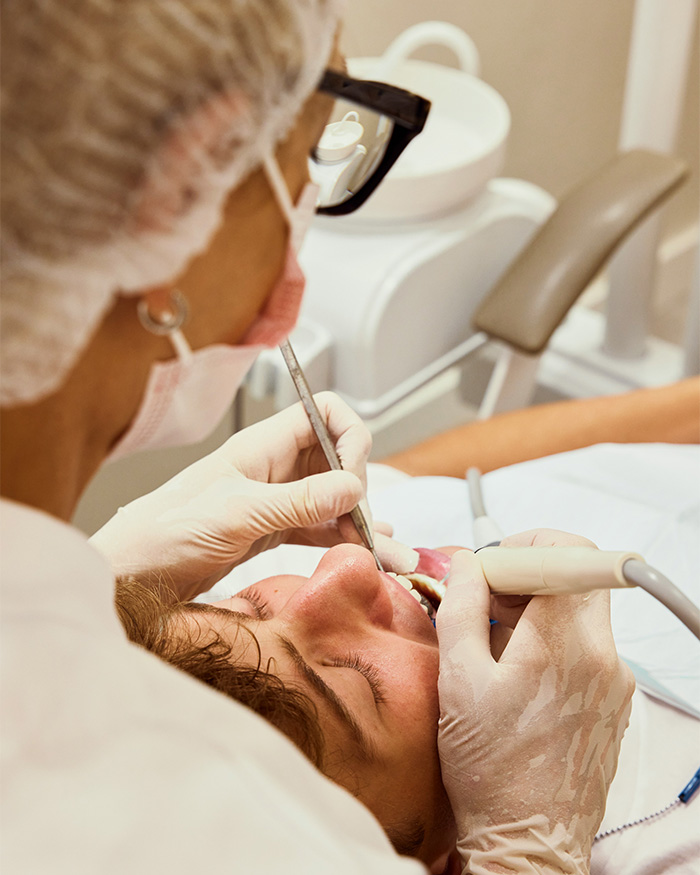
Image credits: Natalia Blauth/Unsplash (Not the actual photo)
Dr. Izbel also asserted that trends on social media should be “approached with caution.”
“This is not limited to palatal expanders. A wider range of social media-driven aesthetic trends may also contribute to similar pressure, particularly when clinical context is missing,” she said.
She stressed that one must seek regulated dental supervision when using any device or appliance to change one’s skeletal or dental structure. These regular visits must include imaging, planning, and follow-up care to track progress.
“When devices are used without supervision, the risk is not just ineffective results – it is potential harm to teeth, gums, and jaw joints,” she warned.
She noted that unsupervised or DIY use of expansion devices can lead to gum recession, tooth mobility, root resorption, and irreversible bite misalignment. There is also the risk of pain and long-term instability of the bite when force is applied incorrectly.
“In dentistry, controlled force and timing are essential. Without that, you are no longer guiding bone – you are risking damage,” she added.
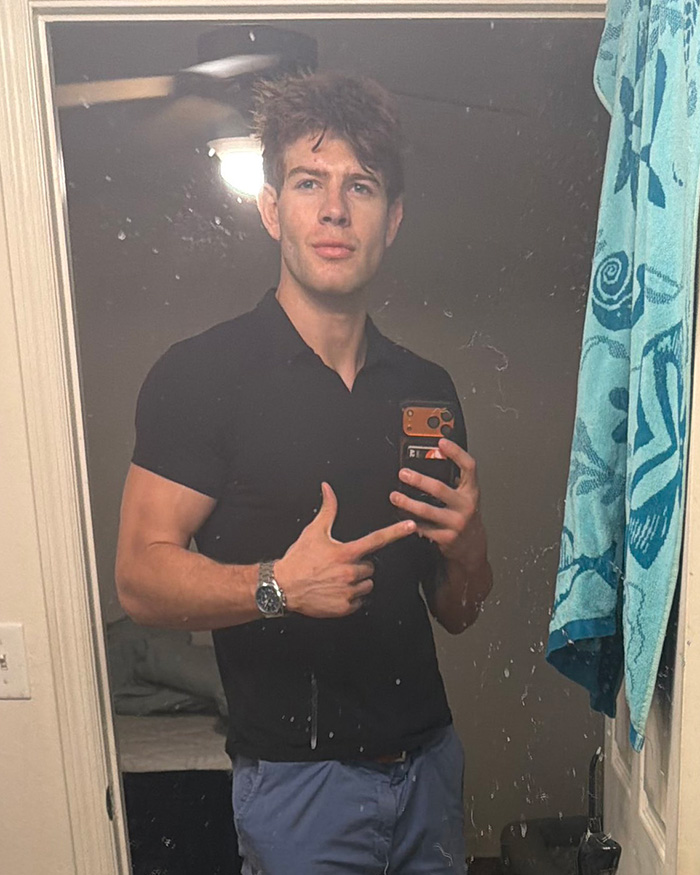
Image credits: hexumlite/X
More broadly, experts believe that hexumlite’s content reflects a broader pattern in the looksmaxxing community, where people feel immense pressure to optimize their appearance. This can ultimately blur the line between meaningful self-improvement and unnecessary, even risky, procedures.
“Aesthetic trends often seek enhancing certain traits, and looksmaxxing is an example that can lead both to positive and negative effects on health, depending on how it is used,” Dr. Kenig said.
He explained that the new and growing looksmaxxing culture has two sides to it, one of which would be the alarming side, where people might resort to unsupervised medical or pseudomedical treatments.
But on the flip side, there are also aspects that “fall within traditional human behavior that seeks to enhance one`s appearance, promoting a healthy lifestyle and different skincare routines,” Dr. Kenig said.
“The key is to use common sense, to not get carried away, and to always consult with a specialist if any invasive techniques are contemplated,” he added.
“I gotta say looksmaxxing is kind of overrated,” one commented online

Image credits: SapinhoBTC
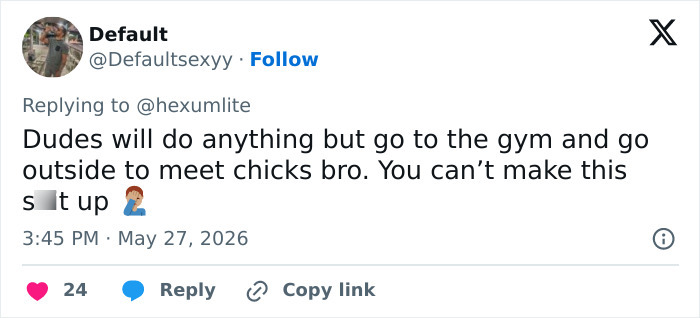
Image credits: Defaultsexyy

Image credits: tohofuny
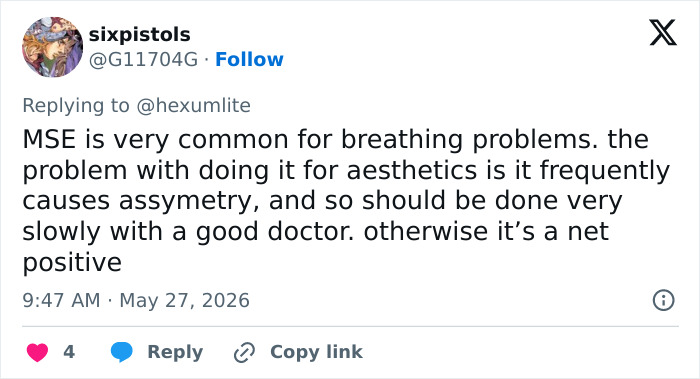
Image credits: G11704G
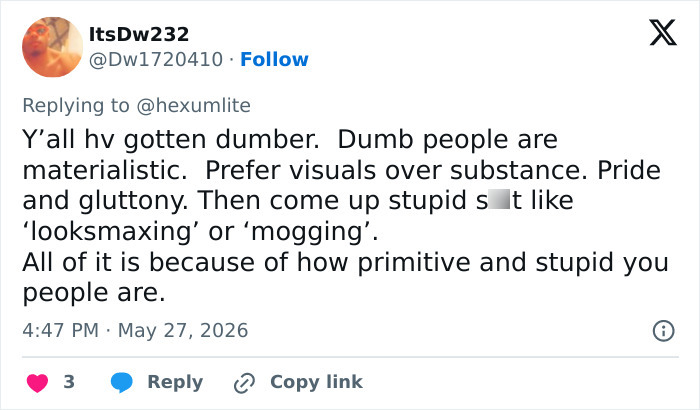
Image credits: Dw1720410
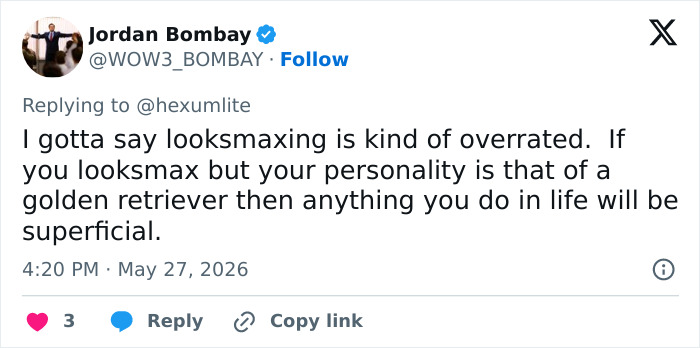
Image credits: WOW3_BOMBAY
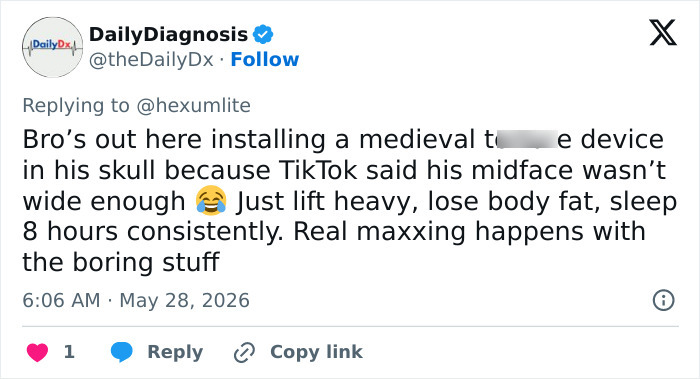
Image credits: theDailyDx

Image credits: Cyber21Watch
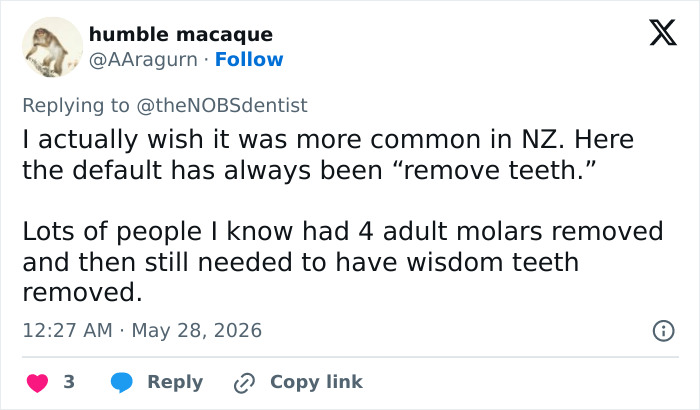
Image credits: AAragurn
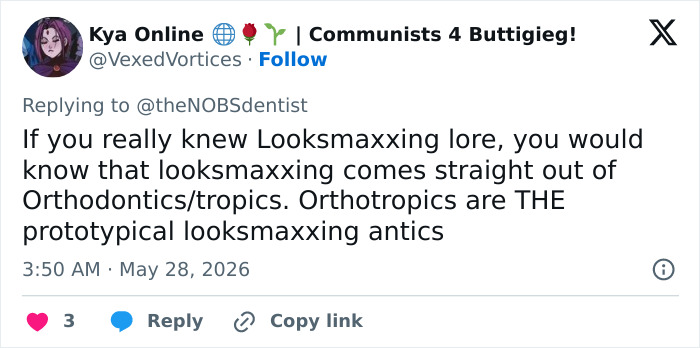
Image credits: VexedVortices
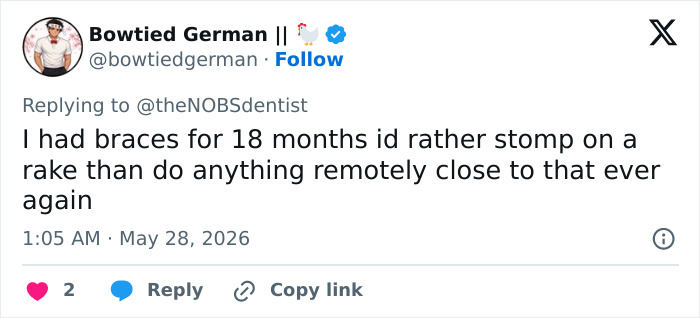
Image credits: bowtiedgerman
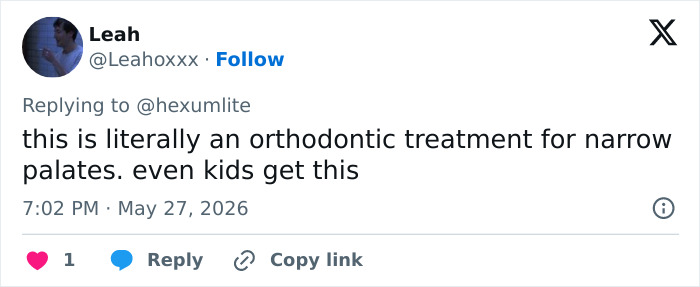
Image credits: Leahoxxx
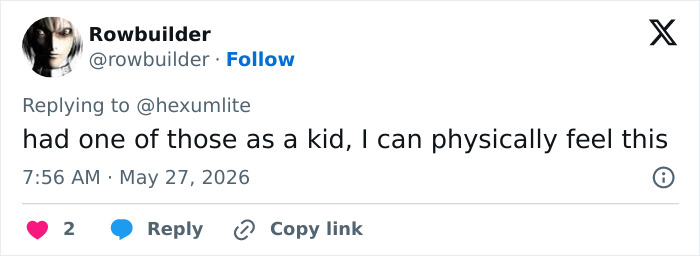
Image credits: rowbuilder
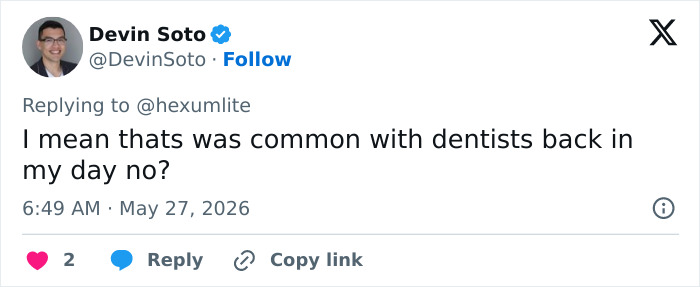
Image credits: DevinSoto

Image credits: HankMoodyBZK
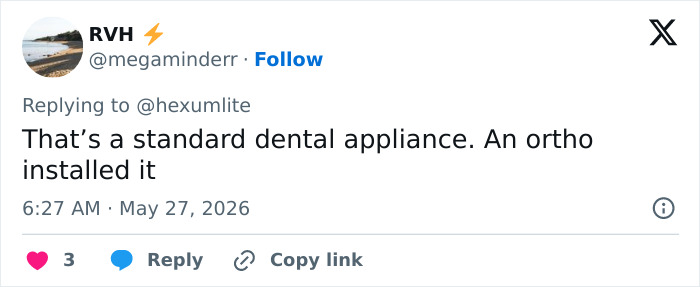
Image credits: megaminderr
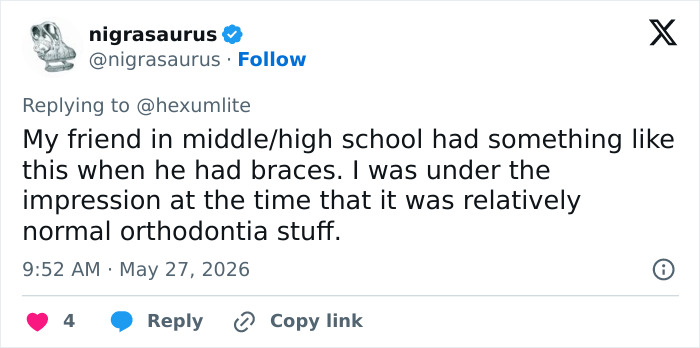
Image credits: nigrasaurus
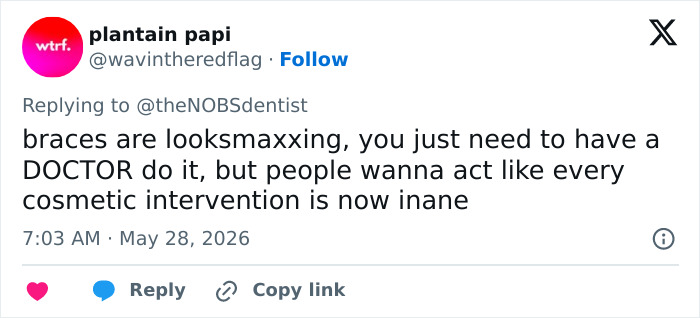
Image credits: wavintheredflag
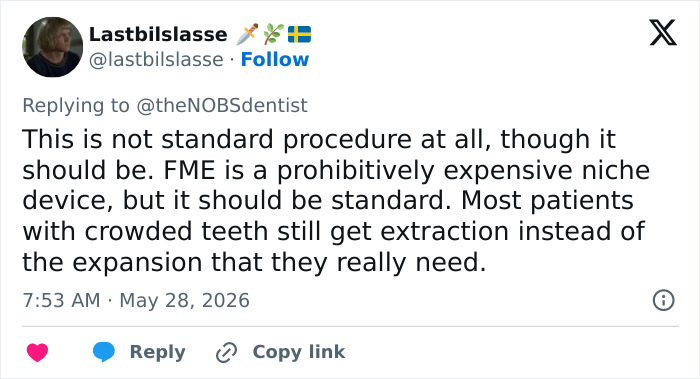
Image credits: lastbilslasse
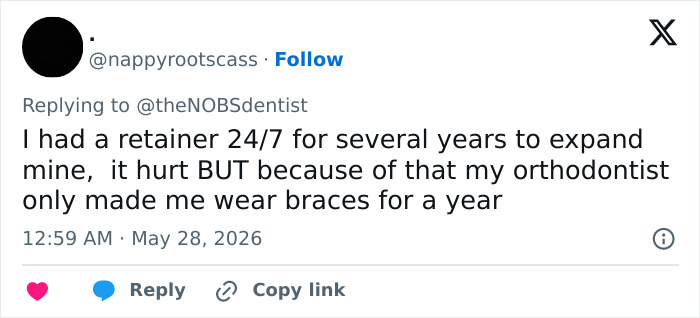
Image credits: nappyrootscass
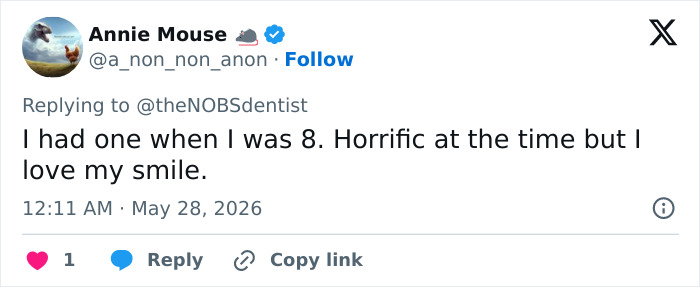
Image credits: a_non_non_anon