
The misaligned gaze of Venus in Sandro Botticelli‘s celebrated masterpiece, The Birth of Venus, has fueled centuries of speculation and discussion.
The painting is widely believed to have been inspired not only by the Roman goddess but also by Simonetta Vespucci, a celebrated Florentine beauty who captivated Renaissance Italy and is thought to have held a special place in the artist’s imagination.
She passed away tragically young at just 23 years old in 1476. For generations, historians believed tuberculosis was responsible for her premature demise.
Now, however, a new study by researchers at Queen Mary University of London has challenged that assumption.
The scientists suggest that the irregular appearance of the eyes in Botticelli’s painting is a common symptom of a pituitary tumor, a medical condition that would not be formally identified until the 1930s, nearly 500 years after Simonetta’s demise.
A modern medical analysis of Botticelli’s Birth of Venus has uncovered a devastating explanation for the tragic fate of his muse
Image credits: Wikimedia
“It’s possible that the irregular eye positioning in The Birth of Venus—the ‘strabismus’ or squint later considered a trait of piety and beauty—may be caused by the pituitary tumor,” senior author of the QMUL study, published in the Endocrinology, Diabetes and Metabolism journal, Paolo Pozzilli, said.
A pituitary tumor can cause eye misalignment, also known as strabismus, when the growing tumor compresses the cranial nerves, such as the oculomotor, trochlear, or abducens, that control eye muscles and run parallel to the pituitary gland.
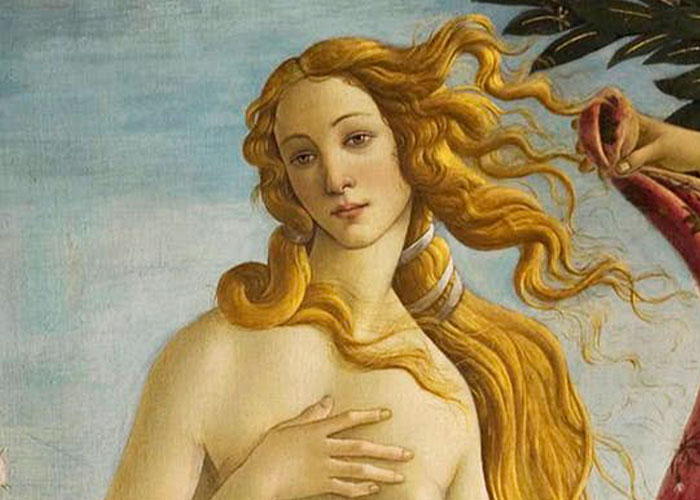
Image credits: Wikimedia
The study expanded on the theory that the researchers first put forward seven years ago, in 2019, that this is what Simonetta may have lost her life to.
The researchers at the time also studied another painting by Botticelli, Allegorical Portrait of a Woman, which is also believed to depict Simonetta.


Botticelli’s Venus reminds us that true beauty transcends time and culture.
His masterpiece, The Birth of Venus, will forever change how you view the goddess. 🧵 pic.twitter.com/7L82Azdb0u
— Culture Explorer (@CultureExploreX) October 6, 2024
“Botticelli’s Allegorical Portrait of a Woman shows a woman—the model is Simonetta Vespucci—lactating, and yet we know she had no children,” Dr. Pozzilli said.
“This is a surprising way to portray her, and we believe that this, along with changes in facial traits, could show the real physical symptoms of a lactin growth hormone-secreting tumor,” he added.
Image credits: Getty/Thekla Clark
According to the Cleveland Clinic, prolactinoma, a type of pituitary tumor, causes a woman who is not pregnant or nursing to lactate.
The new theory is backed up by reports of Vespucci’s condition in her final days
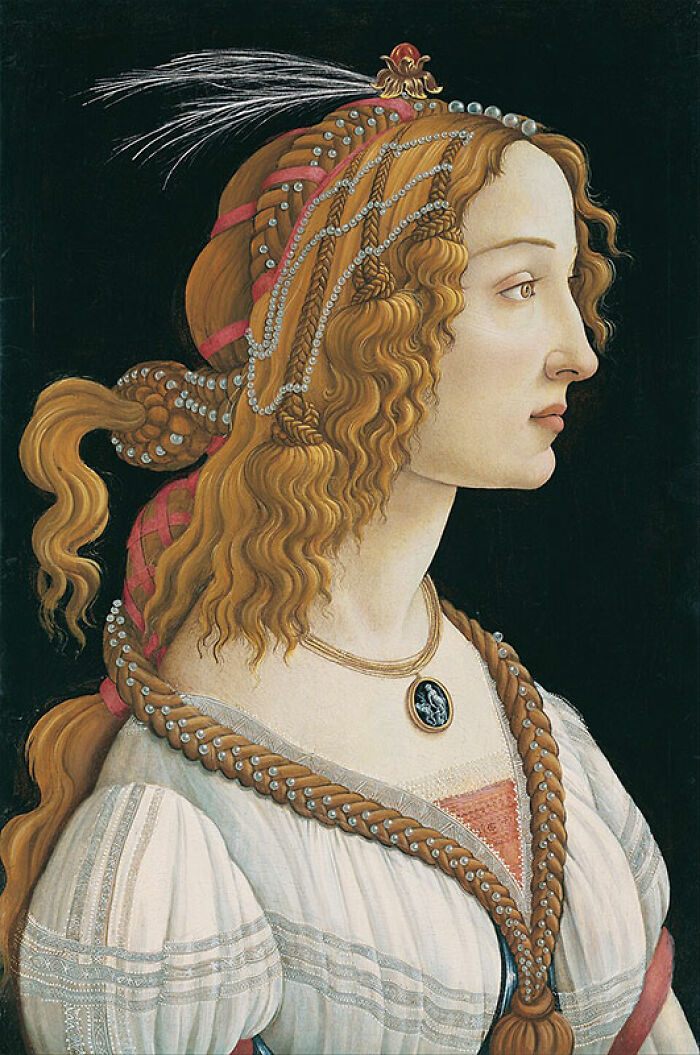
Image credits: Wikimedia
Dr. Domiziana Nardelli of the Università Campus Bio-Medico di Roma studied the letters exchanged between Simonetta’s father-in-law, Piero Vespucci, and the then ruler of the Florentine Republic, Lorenzo de’ Medici, discussing Simonetta’s health in her final days.
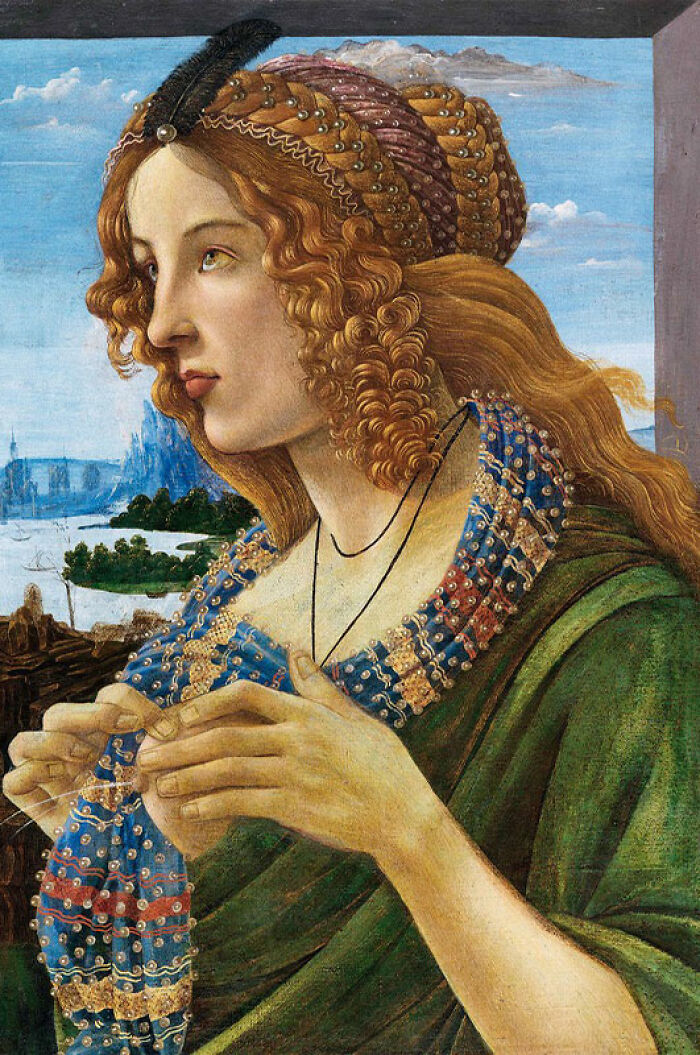
Image credits: Wikimedia
“They discuss how she collapsed during a ball and was then resting in a darkened room, where she suffered from terrible headaches,” Dr. Nardelli shared.
“These are all symptoms of a rapidly expanding pituitary tumor.”
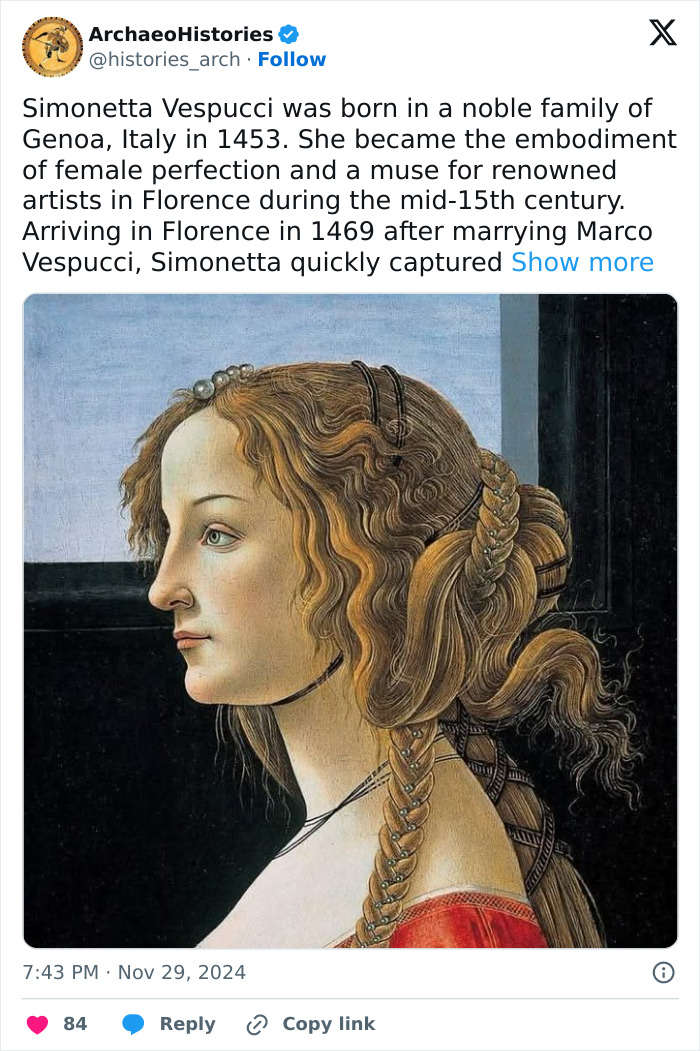
Image credits: histories_arch
Dr. Nardelli speculated that vigorous dancing at the ball could have triggered Simonetta’s fatal episode.
Because Simonetta was the beloved center of the Florentine court and closely cherished by Lorenzo and his brother Giuliano, Lorenzo immediately intervened by sending his own personal palace physician, Maestro Stephano, to treat her; however, to no avail.
Botticelli’s devotion to Simonetta persisted long after her demise, as he painted her for the rest of his life.
The artist was so devoted to her that he requested to be buried at her feet when he passed away in 1510.
The discovery about Birth of Venus came months after another Renaissance painting gripped art and history enthusiasts

Image credits: ZAKhan92
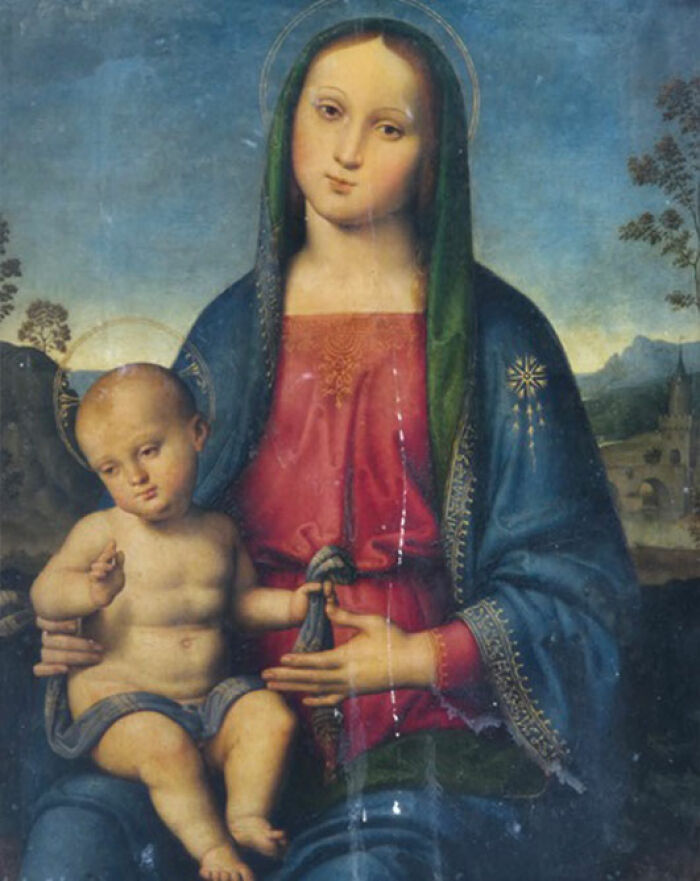
Image credits: JSFineArt
A painting depicting a woman holding a child on her lap mysteriously appeared on the website of JS Fine Arts in Banbury on September 24, 2025.
It was soon identified by experts as Madonna and Child, a long-lost work by Pietro Perugino, a celebrated Renaissance painter once considered on a par with Leonardo da Vinci.
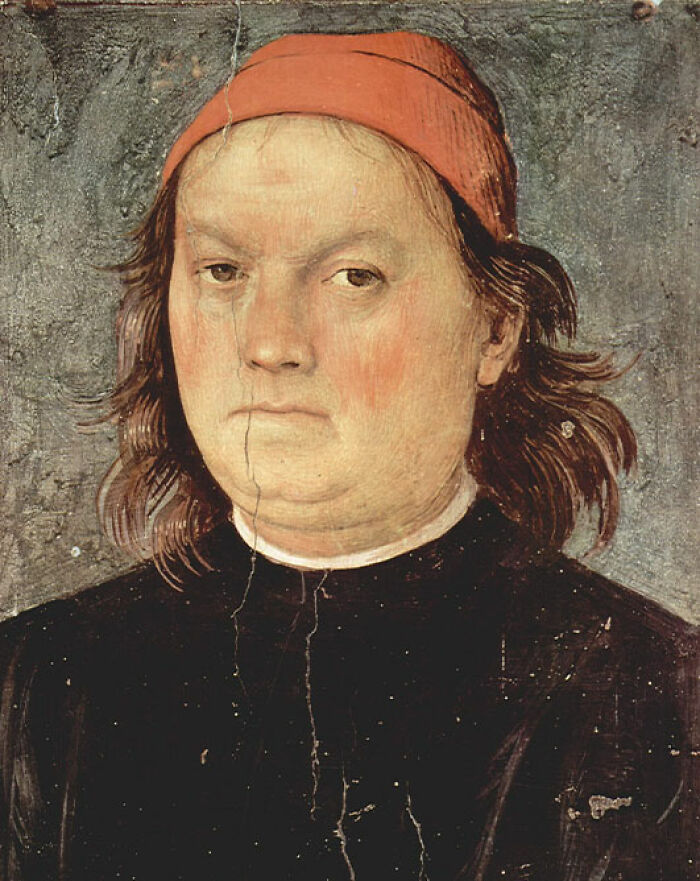
Image credits: Wikimedia
Art collectors scrambled to secure the piece, jamming the gallery’s phone lines and sending their staff to the location.
A bidding war for the same ensued on September 27 and lasted 15 minutes. A private buyer, who remains anonymous, became the owner by shelling out roughly $750,000.
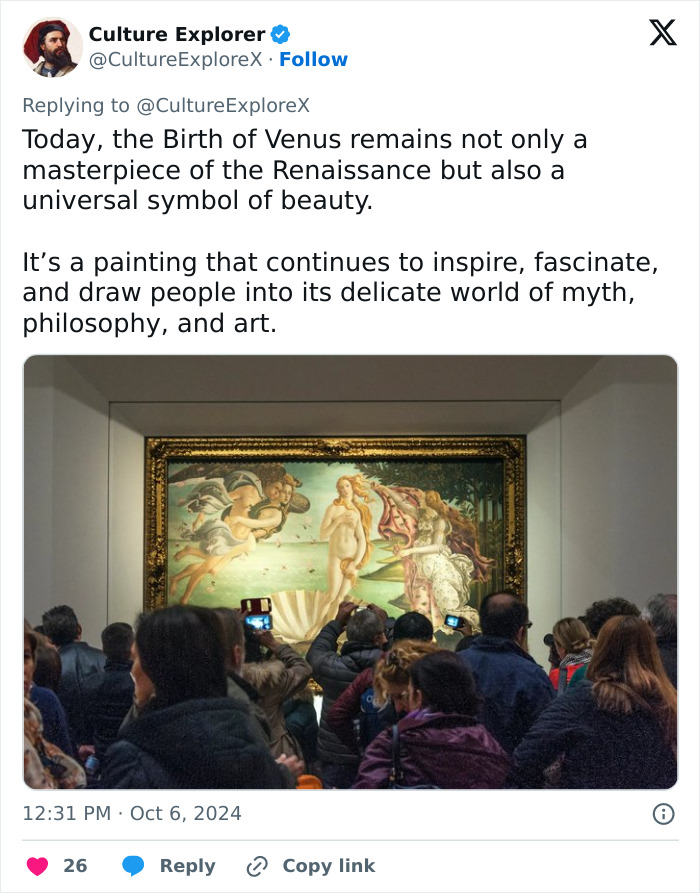
Image credits: CultureExploreX
“When the hammer fell, there was a hush, then applause,” Joe Smith, the principal auctioneer, said in a statement. “It was one of those moments every auctioneer dreams of.”
The painting was reportedly found collecting dust under a garage workbench before its fate changed.
“Scientists feel they must take the mystery out of art,” a netizen said about the newest study